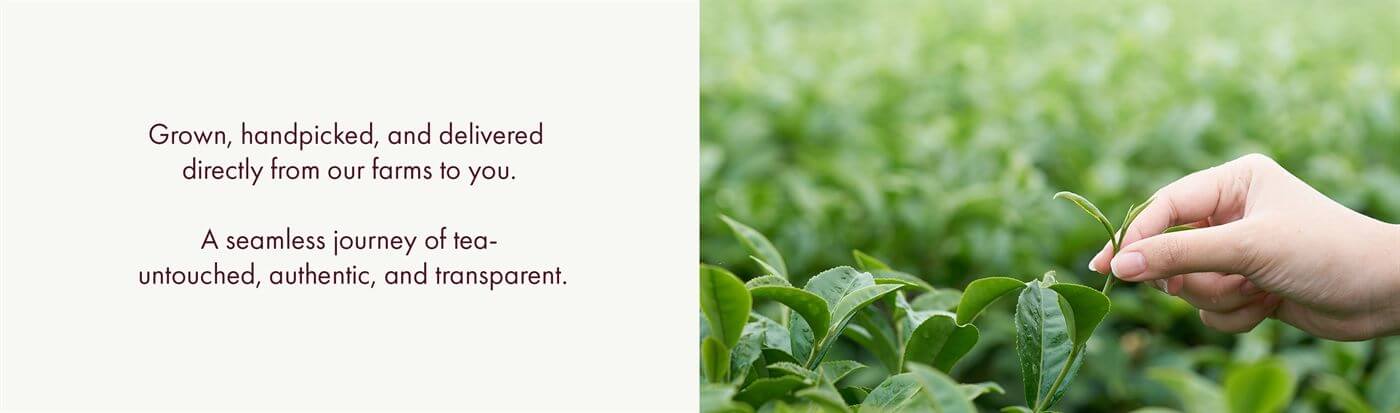
When someone tells you tea from the Himalayas is different, the easy dismissal is: "it is just marketing." Higher-altitude origin stories are attached to everything from olive oil to coffee to wine — and most of them are, in fact, marketing. Himalayan tea is not.
The altitude creates specific, measurable differences in plant chemistry, flavour complexity, and functional compound concentration. Here is what actually makes Himalayan tea different, where it comes from, and why it has been regarded as among the finest tea in the world for over a century.
Where Does Himalayan Tea Come From?
Himalayan tea refers to tea grown in the high-altitude regions of the Himalayan mountain range — primarily in the Ilam and Dhankuta districts of eastern Nepal, and the Darjeeling district of West Bengal in India. These gardens range from approximately 3,000 to over 7,000 feet above sea level. At these elevations, the climate is cool, misty, and seasonally distinct — and the combination of these conditions produces something that cannot be replicated at lower elevations.
Nepal’s tea gardens, particularly in the Ilam district, produce teas comparable in quality to the finest Darjeelings — and in many cases, from gardens at even higher elevations.
Why Does Altitude Change Tea?
Slower Growth, Deeper Chemistry
At altitude, cooler temperatures slow the growth of the tea plant significantly. A leaf that would reach harvest size in weeks at lower elevations takes months at high altitude. This slower maturation allows the plant to accumulate a greater concentration of secondary metabolites — the complex compounds responsible for both the flavour complexity and the functional health properties of tea. Slow growth equals richer chemistry.
Natural Pest Pressure Without Chemical Dependence
At high altitude, cooler temperatures and thinner air mean fewer insect pests than in lowland cultivation. Tea plants produce more of their defensive compounds — notably caffeine, which functions as a natural insecticide — in response to environmental stress. The result is a leaf with a naturally more robust chemical profile.
Unique Mist, Mineral Conditions, and Temperature Variation
Himalayan tea gardens are frequently shrouded in cloud and mist, which diffuses direct sunlight. Plants growing in lower light intensity produce more chlorophyll and certain flavour compounds. The mineral-rich runoff from glacial snowmelt feeds root systems with a distinctive mineral profile not available to gardens fed by standard rainwater. Significant day-night temperature swings further stress the plant beneficially — triggering the production of complex aromatic compounds that create the characteristic muscatel notes, floral brightness, and clean mineral finish of Himalayan teas.
No amount of processing artistry can replicate the conditions that altitude creates in the leaf. You can only get Himalayan tea from the Himalayas.
Types of Himalayan Tea and Their Characteristics
First Flush (Spring Harvest): The first plucking of the season, typically March to May, produces the most prized leaves of the year. After cold winter dormancy, the plant’s first new growth is exceptionally concentrated in aromatic compounds and L-theanine. Light in colour, delicate, and bracingly fresh — often described as floral, vegetal, and almost ethereal.
Second Flush (Summer Harvest): The second harvest produces tea with more body, darker colour, and the characteristic “muscatel” note — a sweet, grape-like aromatic quality unique to Darjeeling and Himalayan teas. More robust and complex than first flush.
Himalayan Green Tea: High-altitude Nepal green teas are mineral, bright, and rich in L-theanine. They bear no resemblance to the grassy, vegetal flavour profiles of mass-market green teas.
Himalayan White Tea: Made from the youngest buds, white teas from Himalayan gardens are delicate, naturally sweet, and exceptionally high in antioxidants.
Nepaya Himalayan Green Tea
Slow-grown above 3,000 feet — mineral, bright, and naturally high in L-theanine for calm, luminous focus.
The Health Benefits of Himalayan Tea
Himalayan tea delivers the same category of benefits as other high-quality teas from Camellia sinensis — but the altitude amplifies them:
- Higher L-Theanine Content: Slow growth at altitude results in greater L-theanine accumulation. L-theanine promotes relaxed alertness, modulates cortisol, and produces the calm-but-focused mental state that distinguishes tea from other caffeinated beverages.
- Rich Polyphenol and Antioxidant Profile: High-altitude teas contain more polyphenols — including EGCG in green teas — which protect cells from oxidative stress and support cardiovascular health.
- Metabolic Support: EGCG and other tea catechins have been studied for their role in supporting healthy blood glucose regulation and lipid profiles.
- Gut Health: Tea polyphenols act as prebiotics, feeding beneficial gut bacteria and supporting a healthier microbiome with downstream effects on mood, cognition, and stress resilience.
Nepaya Black Cardamom
Himalayan black tea kissed with smoky black cardamom — bold, purposeful, intensely aromatic.
Nepal Tea vs. Darjeeling Tea
Both grow in the Himalayan range. Both share similar altitude, climate, and plant varieties. The differences are nuanced but real. Nepal’s gardens — particularly in Ilam — often sit at equal or greater elevation than Darjeeling, in less commercially developed territory. Nepalese teas have a slightly earthier, more mineral character, with excellent muscatel development in second-flush harvests. And they offer extraordinary quality relative to price, in part because they lack the Darjeeling brand premium.
Nepaya sources its teas directly from Himalayan gardens at elevation — because the altitude is not a story. It is the actual reason the tea is better.
How to Brew Himalayan Tea for Maximum Flavour
- Use freshly drawn, filtered water. Hard water minerals dull the flavour complexity that altitude creates.
- Temperature matters: First-flush and green teas at 175–185°F (80–85°C). Black teas at boiling (212°F / 100°C). Overheating first-flush teas destroys delicate aromatic compounds.
- Steep time: Black teas 3–4 minutes. Green and white teas 2–3 minutes.
- Do not add milk to first-flush or high-quality green and white teas — milk proteins bind to polyphenols, reducing both flavour complexity and the bioavailability of beneficial compounds.
Explore the Full Himalayan Collection
13 blends, all sourced from high-altitude gardens. Find your ritual.
Frequently Asked Questions
What is the best Himalayan tea to try first?
For most people new to Himalayan tea, a second-flush Nepal black tea or an English Breakfast blend is the ideal starting point — robust enough to drink without feeling fragile, complex enough to be clearly different from commodity tea.
Is Himalayan tea the same as green tea?
No. Himalayan is a geographic descriptor. Green is a processing descriptor. Himalayan tea can be green, black, white, or oolong — these are different processing styles applied to the same plant at altitude.
Does Himalayan tea have more health benefits than regular tea?
High-altitude growing conditions concentrate beneficial compounds — L-theanine, polyphenols, antioxidants — due to slower growth and greater environmental stress on the plant. The functional benefits are present in all Camellia sinensis teas, but high-altitude teas generally contain more of the compounds responsible for them.
Where can I buy genuine Himalayan tea in the USA?
Nepaya Tea sources all its teas from Himalayan gardens, bringing the full range of Himalayan tea types directly to US consumers via Amazon Prime. Browse the collection here.